Joining Hands: Politics and Religion Together for Social Change
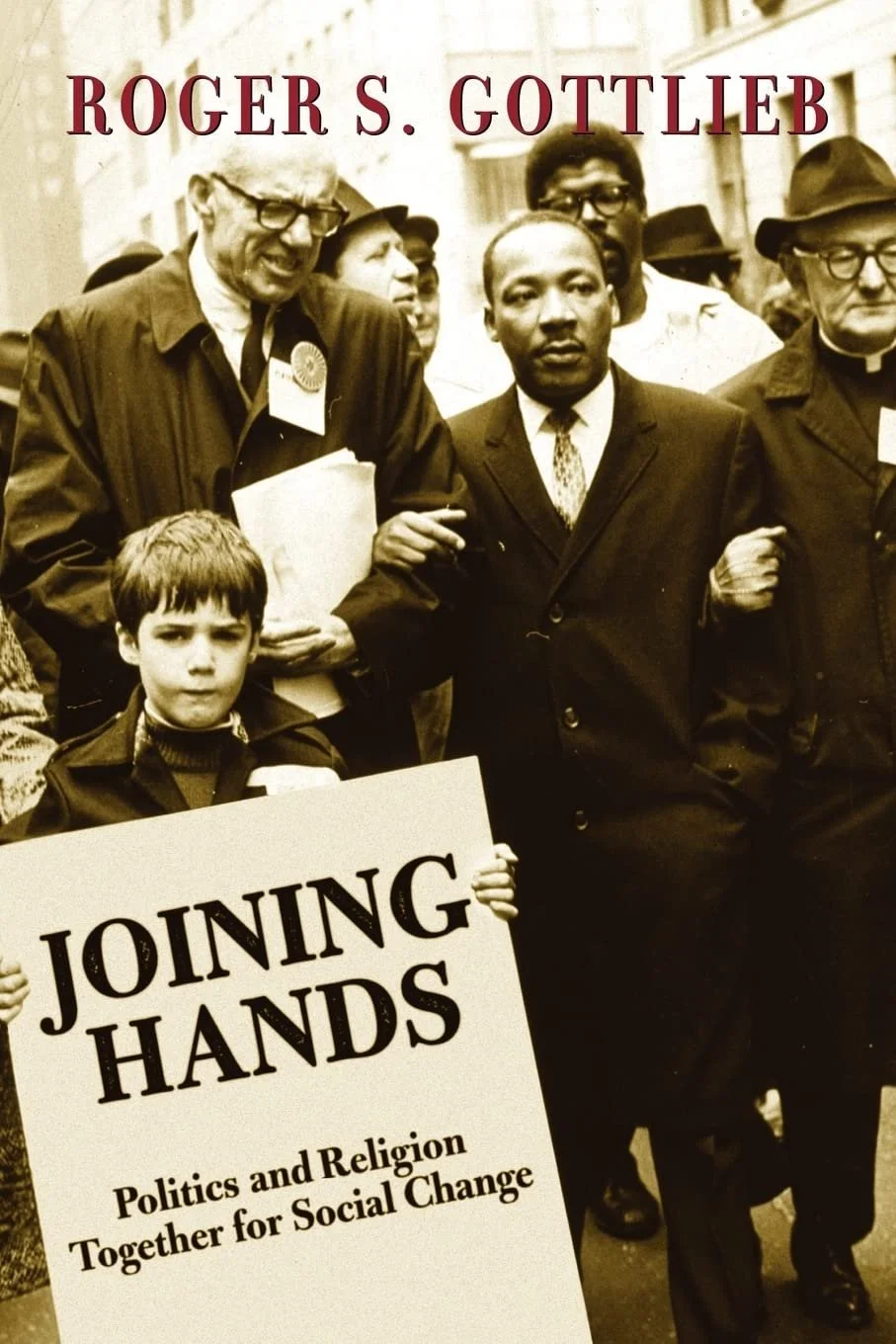
Did Martin Luther King's spiritual understanding of political struggle truly help the Civil Rights movement? Can breast cancer victims incorporate both spiritual wisdom and political action in their fight for life? Confronting questions that challenge the foundations of both politics and spirituality, Roger S. Gottlieb presents a brave new account of how religious ethics and progressive movements share a common vision of a transformed world. In doing so, he offers a bold and eloquent affirmation: that authentic religion requires an activist, transforming presence in the political world, and that the moral and psychological insights of religion are indispensable resources in political struggles for democracy, human rights and ecological sanity. With original and compelling interpretations of Martin Luther King and the civil rights struggle, feminism, disability rights, the global environmental movement, and the fight for breast cancer, Joining Hands will alter the way spiritual seekers, political activists, and society as a whole think about the political role of religion and the spiritual component of politics.
Roger Gottlieb has produced a profound and significant integration of spiritual and political concerns. Highlighting the spiritual strengths and weaknesses of the civil rights, anti-war, and feminist movements, Gottlieb shows that world-making politics and religion can be partners as they inform and deepen each other. As he ponders his role as a father of a physically challenged child, eschewing a perpetually optimistic version of spirituality, Gottlieb forces us to rethinking our commitment to “rational autonomy” as central to human identity. Rather than the dogmatic confidence of the true believer, Gottlieb offers faith and hope that leads to individual and collective political action even in the face of sorrow and loss, and without the surety of success. — Tikkun
Joining Hands presents an outstanding and critical analysis of the issues of politics and religion, and examines their existing and possible modes of interface in order to enhance “the full openness of religion and politics to each other’s insights.” It is difficult to quarrel with a book that is so well-written, so steeped in scholarship, and so good at anticipating and answering criticisms. — Socialism and Democracy